
Types of Dental Emergency
If you experience facial swelling, limited jaw movement, bleeding, or injuries after a mouth-related accident—or sudden, severe pain in your jaw, gums, or teeth—this is considered a dental emergency and requires immediate attention.
We’ve recently expanded our capacity by adding an additional dental chair and extending hours, allowing us to accommodate emergency cases promptly. During your emergency visit, our dentist will focus on relieving or eliminating your pain as quickly as possible. Treatment may involve procedures such as root canal therapy, gum treatment, tooth extraction if required, or temporary restorations to stabilise damaged or decayed teeth.
If further concerns are identified, we will create a comprehensive oral care plan and arrange a follow-up appointment for a more detailed assessment and long-term treatment.
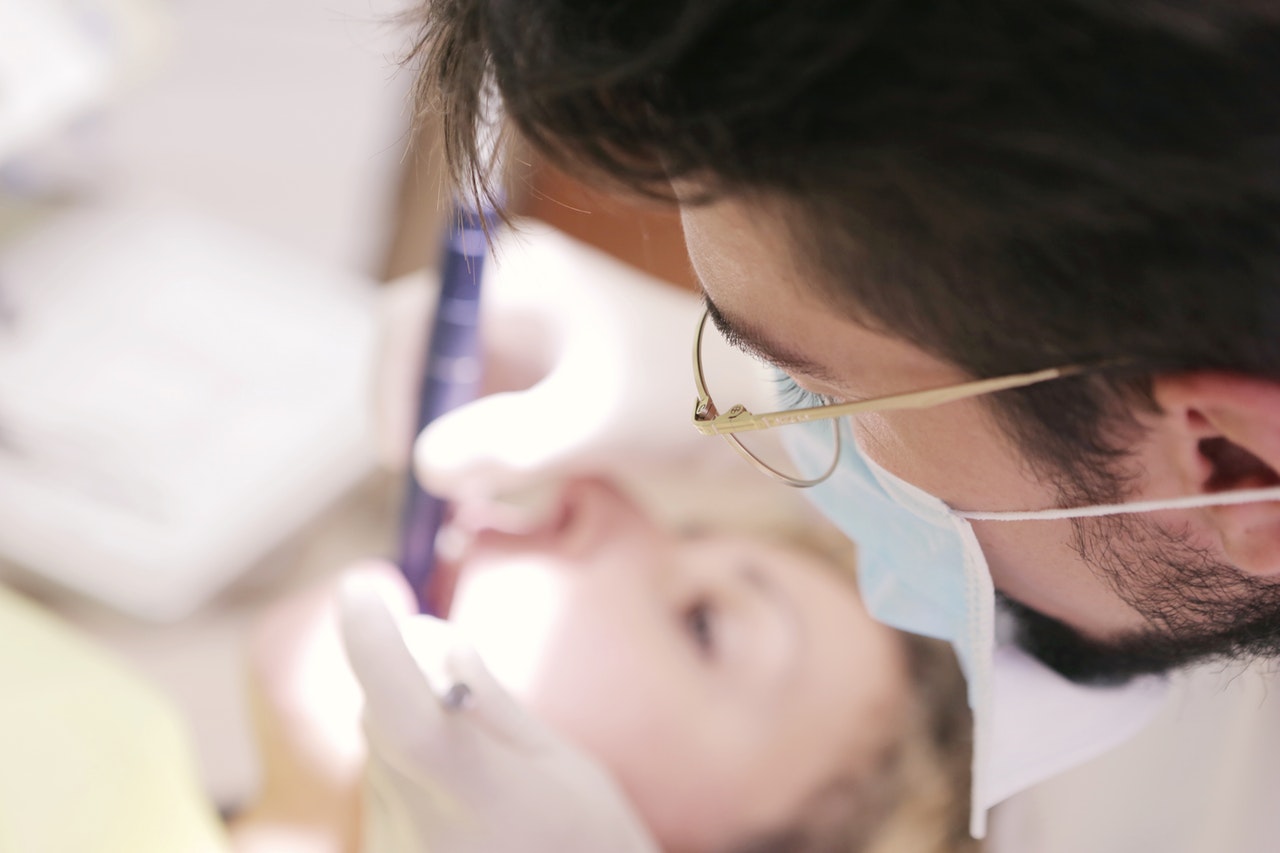
The Root Cause of Toothache
Tooth pain in its most acute form can be caused by a variety of situations, such as tooth nerve inflammation (pulpitis), or inflammation to the surrounding tissue including the gum and bone, or a dental abscess. This may be caused by deterioration (dental caries), wear (attrition), trauma (such as accident, blow or very heavy bite), fracture, or a history of dental care that is deep or intrusive. Wisdom teeth also develop acute and painful infection.
Here are some typical dental emergencies, before you get to the dentist, with tips on what to do immediately:
- Toothache: rinse your mouth with warm water and remove any debris by flossing the area. If the pain continues, immediately call your dentist.
- Gum abscess and swelling: urgently call the dentist. When the area has been evaluated, they will be able to administer some pain medication and/or antibiotics to resolve the infection, and devise a treatment plan.
- Wisdom tooth pain: to minimise swelling for just 20 minutes, apply an ice pack to the outside of the face. Repeat as needed. Furthermore, every 2 to 3 hours, you should rinse your mouth with warm salty water and continue to take an over-the-counter drug that you are already familiar with to alleviate the discomfort.
- Chipped or broken tooth: clean the area with cold water immediately and apply a cold compress to the area to alleviate swelling.
- Missing filling or crown: to numb the pain, add a little bit of clove oil to the region; then call the dentist for an appointment
- Dental Trauma: keep it moist at all times for a knocked out tooth. Try to stop touching the root. Try to put the tooth back in the socket if possible to avoid hitting the root. If the tooth can not be placed in the socket, place it between your cheek and your gums, or in a small jar of milk. As soon as possible, try to get to the dentist.
- Bleeding gums: brush your teeth with a soft brush. Try circular rotations, instead and brush away from the gums. Before going to sleep, floss the teeth; flossing under the gums prevents food and debris. You might need to have your teeth cleaned properly if you are ever suffering from bleeding gums. With proper oral hygiene, the gums would be much easier to maintain. And note, the risk of periodontal disease is duly reduced by flossing.
Pain presents in our body for a reason, and when it comes to teeth, if treatment is delayed, this situation could become more complicated – and more expensive, than if dealt with immediately.
Don’t Delay, Contact Us Now If You’re Concerned About Your Teeth.
Analgesics/painkiller Tablets
If you are unable to contact our dental team immediately, try some analgesics/painkiller tablets to ease any pain before your visit. Your dental condition would vary and you should urgently seek an appointment at our clinic. You will need to see a dentist immediately, depending upon how serious your jaw, oral or dental pain is.
When it is very distracting or you find it hard to sleep, dental pain relief drugs such as Nurofen or Panadol will relieve the pain. Painkillers can only be swallowed rather than applied directly to the teeth, as gum tissue can burn off the acidity.
Gargle With Salt Water
Salt water helps kill bacteria from the area of your mouth and can minimise swelling. Place a ¾ of a teaspoon of salt in warm water and gargle for five seconds or more. Take care to not swallow water.
Apply Ice on The side of the face
To help ease the discomfort, take a cold compress or ice pack from the cheek. Do not apply ice directly to the tooth, as toothaches also cause increased temperature sensitivity.
These home remedies provide you with quick relief from toothaches until you get to see the dentist, but the outcome is only momentary.
To permanently relieve the pain, the source, not the symptom, you should be seen by your dentist.