
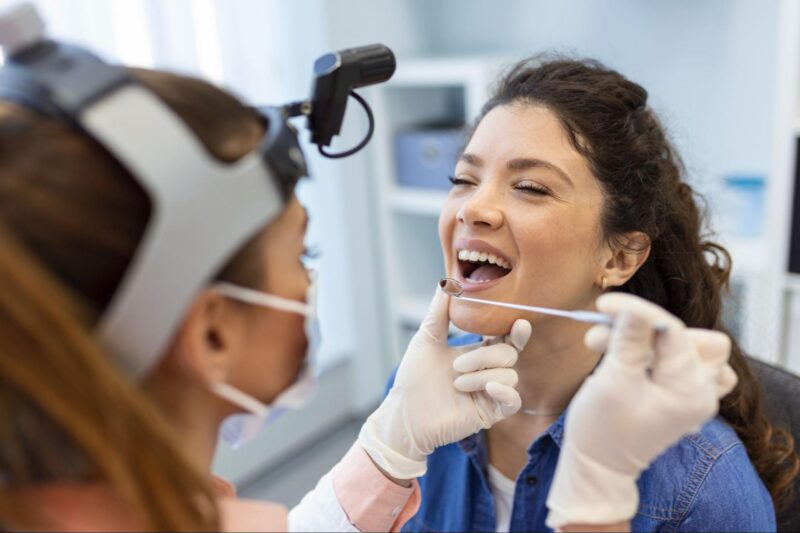
A comprehensive dental check up near Melbourne is more than a quick look at your teeth. It is a full oral health assessment that helps your dentist identify problems early, protect your gums and teeth, and plan the right preventive care. At Totally Teeth Endeavour Hills, we use general dentistry to help patients understand their oral health and keep their smiles healthy for the long term.
If you have ever wondered what actually happens at the appointment, this guide explains each step in simple terms. It also shows why regular check-ups matter even if your teeth feel fine.
Why a comprehensive check up matters
A comprehensive dental check up is designed to look beyond the surface. Many dental issues start quietly, such as early decay, gum disease, bite problems, or wear from grinding, and these are often hard to notice at home. A full exam helps catch those issues before they become painful or expensive to treat.
For Melbourne patients, a comprehensive dental check up near Melbourne is a practical part of general dentistry because it combines prevention, diagnosis, and personalised advice in one visit.
Health history review
Your appointment usually begins with a review of your medical and dental history. The team may ask about medications, allergies, existing conditions, symptoms, and any changes since your last visit. This helps the dentist understand what may affect your teeth, gums, and treatment options.
This step is important because general health and oral health are closely connected. Even things like stress, reflux, medications, or smoking can influence your mouth and gums.
Full mouth examination
Next, the dentist performs a thorough examination of your mouth. This usually includes checking every tooth, the gums, tongue, cheeks, palate, throat, and surrounding tissues for decay, cracks, wear, inflammation, and other signs of concern.
This is one reason a comprehensive dental check up and general dentistry service in Melbourne is more detailed than a basic visual look. The goal is to detect both obvious and hidden issues as early as possible.
Gum health assessment
Your gums are a major part of oral health, so the dentist or hygienist will assess them carefully. They may measure gum pocket depths and check for bleeding, swelling, or signs of periodontal disease.
Healthy gums support healthy teeth. If gum disease is found early, treatment is usually simpler and more effective. If it is left untreated, it can lead to bone loss and more serious dental problems over time.
X-rays or digital images
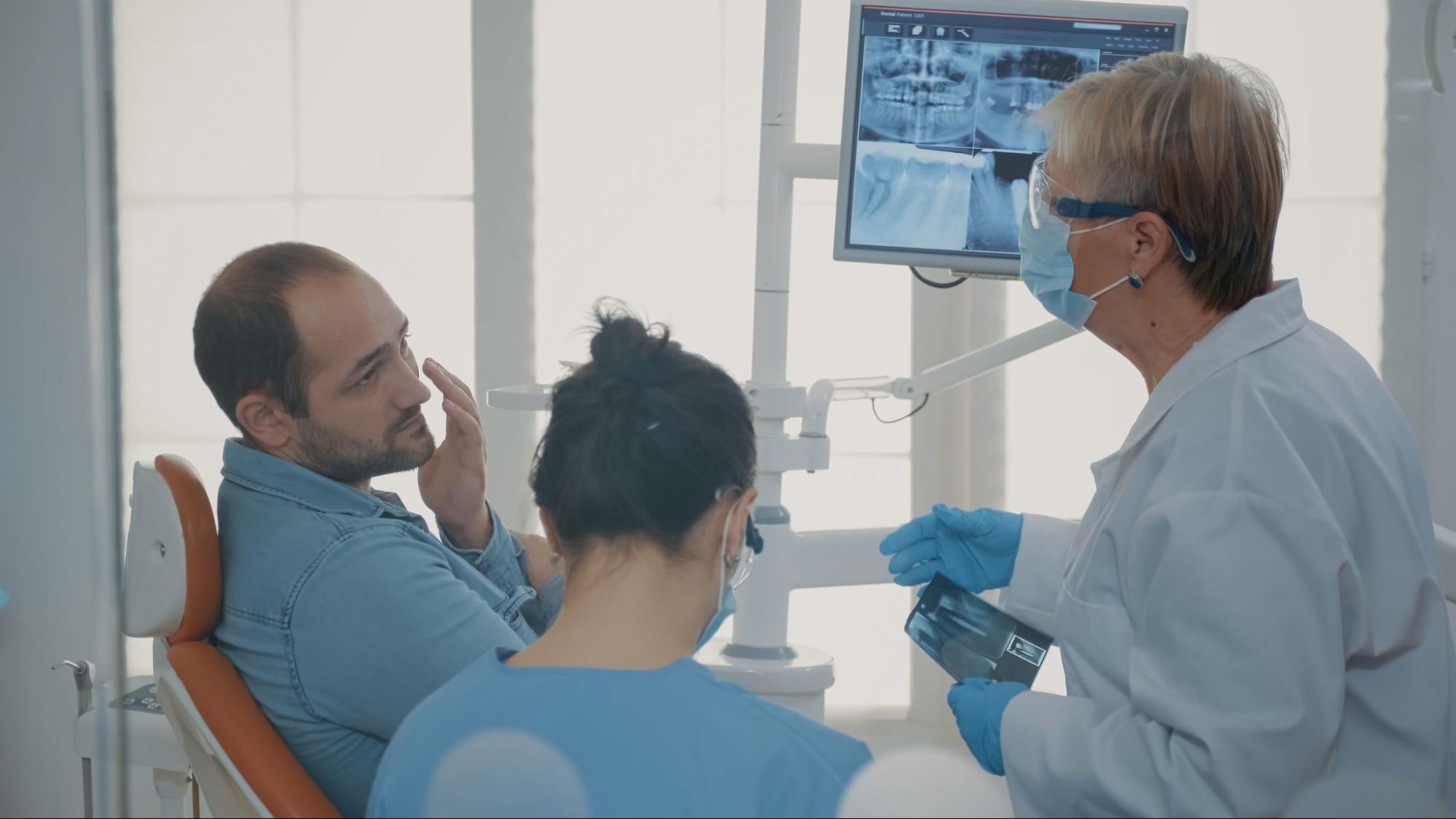
Depending on your oral health history and current needs, the dentist may recommend X-rays. These images help reveal problems that cannot be seen during a visual examination, such as hidden decay, infection, bone loss, or issues below the gum line.
X-rays are not always needed at every appointment, but they are a valuable part of a comprehensive dental check up near you in Melbourne when the dentist wants a clearer view of your oral structures.
Bite and jaw assessment
A complete check-up often includes an assessment of how your teeth fit together. The dentist may look for bite problems, jaw tension, teeth grinding, clenching, or jaw joint issues.
This matters because bite problems can contribute to tooth wear, headaches, jaw discomfort, and damage to existing dental work. General dentistry is not only about cleaning teeth; it is also about understanding how the whole mouth functions.
Oral cancer screening
As part of a comprehensive examination, your dentist may screen for signs of oral cancer. This usually involves checking the lips, tongue, cheeks, floor of the mouth, throat, neck, and lymph nodes for anything unusual.
This is an important preventive step because early detection can make a significant difference. Even if nothing is found, the screening provides peace of mind and supports routine oral health monitoring.
Cleaning and fluoride if needed
Many comprehensive check-ups also include a professional clean, where plaque and tartar are removed from areas that brushing and flossing cannot reach. After that, polishing and fluoride may be recommended to help strengthen enamel and reduce cavity risk.
Some clinics separate the exam from the clean, while others combine them into one appointment. Either way, the purpose is the same: improve oral hygiene and reduce future dental problems.
Personalised treatment plan
After the examination, your dentist will explain any findings and recommend next steps. This may include preventive care, fillings, gum treatment, monitoring, or follow-up appointments.
A good comprehensive dental check up near Melbourne should never feel rushed. The dentist should explain what they found, why it matters, and what you can do at home to improve your oral health between visits.
Why choose Totally Teeth Endeavour Hills
At Totally Teeth, we focus on general dentistry that helps patients stay ahead of dental problems. A comprehensive dental check up is one of the best ways to protect your smile, especially if it has been a while since your last visit or you have ongoing concerns.
Regular check-ups can help you avoid emergency treatment, support long-term oral health, and give you confidence that your teeth and gums are being properly monitored.
FAQs
1. How long does a comprehensive dental check up take?
A comprehensive dental check-up can take around 30 to 60 minutes, depending on whether X-rays and a clean are included.
2. What is the difference between a standard and comprehensive check up?
A comprehensive check-up is more detailed and may include gum assessment, X-rays, oral cancer screening, bite evaluation, and a full treatment discussion.
3. Do I need a comprehensive dental check up if my teeth feel fine?
Yes, because many dental problems do not cause pain in the early stages. Regular exams help detect issues before they become serious.
4. Is a comprehensive dental check up part of general dentistry?
Yes, it is one of the core services in general dentistry and supports prevention, diagnosis, and ongoing oral care.
5. How often should I book a check up?
Most patients are advised to book routine dental visits every 6 to 12 months, depending on their oral health needs and risk factors.